When hiring a motorhome for the first time, it’s natural to have questions about how everything works. How long does the gas last? How long will the water tank last? And why don’t the 3-pin plugs work when you’re not on electric hook-up? This guide explains the basics so you can travel with confidence.
One of the most frequently asked questions we hear is: “How long does a cylinder of gas last?”
The honest answer is that there isn’t a single, simple figure. Gas usage varies greatly depending on how you travel, where you stay, the time of year, and how you use your motorhome’s appliances.
Below, we break down the key factors that influence how quickly you’ll use your gas supply.
This is one of the biggest influences on gas consumption.
On a Campsite with Electric Hook-Up
When you’re connected to mains electricity on a campsite, you can significantly reduce your gas usage. Many motorhomes allow you to:
Run heating on electric instead of gas
Heat water using electricity
Use electric kettles or small appliances instead of the gas hob
In this situation, gas is usually only required for:
Cooking on the hob or oven (if you choose to use them)
Possibly supplementary heating
Running the fridge on gas if you switch it over (though most people use electric when hooked up)
If you are primarily using electricity, a gas cylinder can last a surprisingly long time — often several weeks of typical holiday use.
Off Grid or Aires
When you are not connected to electric hook-up, gas becomes your main energy source. It will typically power:
Space heating
Water heating
Hob and oven
Fridge (if not running on 12V while driving)
In colder months especially, heating alone can use a significant amount of gas. Off-grid touring will always result in higher gas consumption compared to staying on serviced pitches.
Heating is usually the biggest consumer of gas in a motorhome.
Winter trips: Expect higher usage. The heating system may run frequently or even continuously overnight.
Spring and autumn: Moderate use, especially in the evenings and early mornings.
Summer trips: Minimal heating required, so gas lasts much longer.
If you prefer to keep the interior very warm, your gas supply will reduce more quickly. Keeping blinds closed at night and insulating the vehicle well can help conserve gas.
Hot water is another important factor.
If you:
Take daily showers
Wash dishes frequently in hot water
Travel with multiple people…you will naturally use more gas, particularly when off grid.
Shorter showers and mindful water heating can make a noticeable difference. On electric hook-up, switching your water heater to electric mode can significantly reduce gas consumption.
Hob and Oven Use
Your cooking style also plays a part.
If you:
Cook most meals inside
Use the oven regularly
Boil the kettle on the hob…you’ll use more gas.
On the other hand, if you:
Eat out frequently
Use campsite facilities…your gas will last much longer.
For many travellers, cooking alone doesn’t dramatically reduce a full cylinder — but combined with heating and hot water, it all adds up.
Seasonal conditions make a big difference.
Summer touring: Gas is mainly used for cooking and occasional hot water. A cylinder can last a long time.
Autumn and spring: Moderate heating increases usage.
Winter touring: Heavy heating demand significantly reduces how long gas lasts.
Cold weather is by far the biggest factor in rapid gas consumption.
More people generally means:
More showers
More cooking
More hot water usage
Doors opening more frequently (letting heat out)
A couple travelling in summer on hook-up will use far less gas than a family of four travelling off grid in October.When hiring a motorhome for the first time.

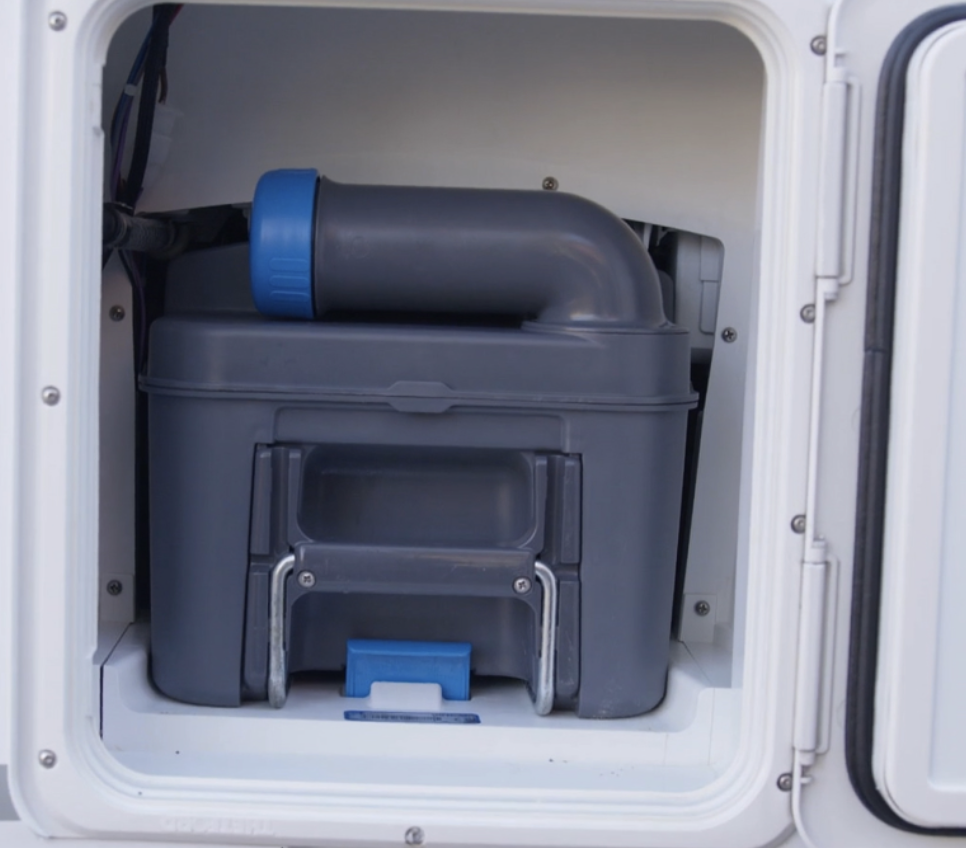
How long a toilet cassette lasts before it needs emptying depends on:
Number of people using it
Frequency of use
Whether campsite facilities are available
On average, a cassette will last:
Around 2 days for two people
Possibly only 1 day for a family
Another question we’re frequently asked is: “How long will the water last?” Just like gas usage, there isn’t a simple, one-size-fits-all answer.
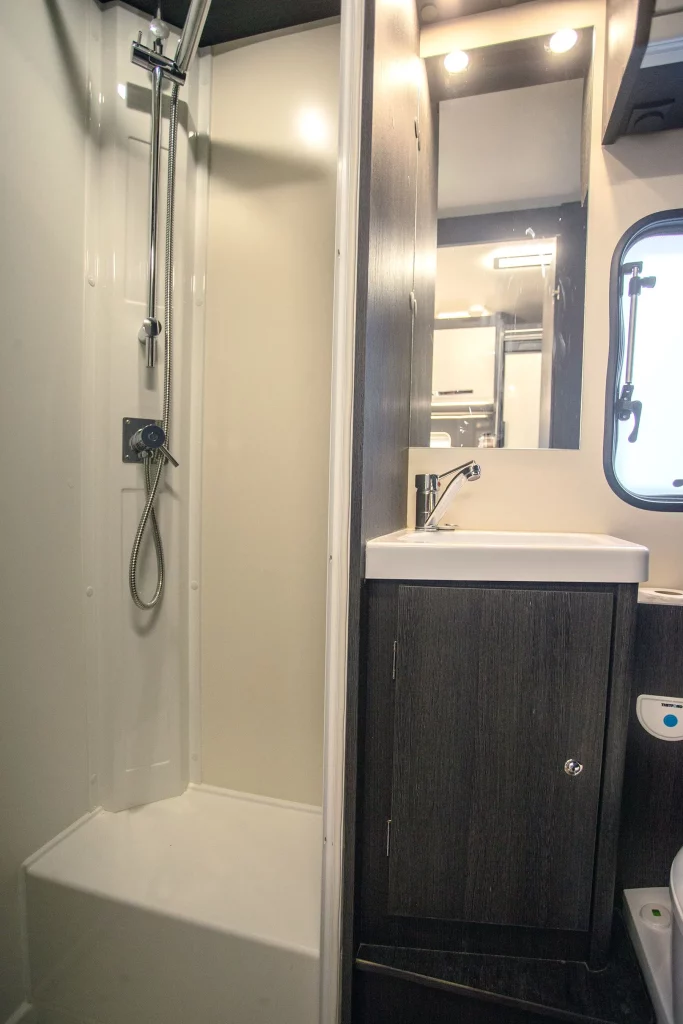
Our motorhomes are fitted with a 100-litre fresh water tank and a 10-litre boiler for hot water. On paper that sounds like plenty — but how long it lasts depends entirely on how you use it.
Here’s why it’s difficult to give a definite timeframe.
The number of people onboard makes a big difference.
Two people using water carefully will make it last much longer than a family of four using it more frequently. Every hand wash, toilet flush and shower all come from the same 100-litre supply.
More people simply means more usage throughout the day.
This is usually the biggest factor in water consumption.
A typical motorhome shower can use:
8–12 litres per minute, depending on flow and water pressure
Around 20–40 litres for a standard shower
If two people take full daily showers, a large portion of the tank can be used very quickly.
However, if you use “navy showers” (wet down, turn off water, soap up, then rinse), water can last considerably longer.
Some travellers choose to use campsite shower facilities when available, which helps preserve onboard water.
Dishwashing also adds up faster than many people expect.
Running the tap continuously while washing up will use far more water than filling a bowl and washing more efficiently.
Using minimal water and being mindful of flow can significantly extend your supply.
Depending on the motorhome layout, the toilet may draw flush water from the main fresh water tank.
Frequent flushing, particularly with multiple occupants, will reduce your available water more quickly.
It’s easy to overlook small things, such as:
Brushing teeth with the tap running
Washing hands
Rinsing vegetables
Individually these don’t use much water, but over the course of a day they add up.
If you’re staying on a campsite with serviced pitches, you may have direct water connections or easy access to refill points. In that case, running low isn’t usually a concern.
When travelling off grid, however, you are entirely dependent on the 100-litre tank until you can refill it. This makes water management much more important.
The 10-litre boiler provides your hot water supply. It heats a smaller volume at a time, but it draws from the main 100-litre fresh water tank. That means all hot water used still reduces your overall supply. While the boiler reheats automatically, it doesn’t create additional water — it simply heats what is already in your tank.
So, How Long Does 100 Litres Actually Last?
As a very rough guide:
Two people being careful, no daily showers: 2–3 days is achievable.
Two people showering daily: Possibly 1 day.
A family using water normally: It may last just 1 day.
But these are only estimates. Water usage varies hugely depending on habits.
Water usage is entirely behaviour-based. Unlike fuel in a car, where mileage gives you a predictable range, water depends on:
Personal habits
Number of occupants
Access to campsite facilities
How mindful you are about conserving it
Some guests make 100 litres last several days. Others may use it in a single day without realising how quickly it’s going down.
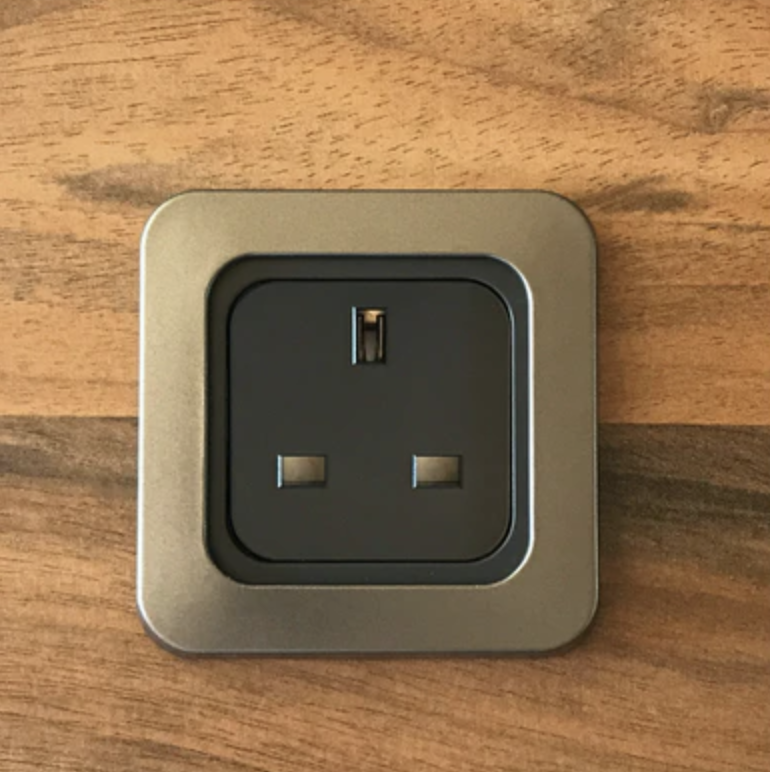
Another question we’re often asked is: “Why don’t the 3 pin sockets work when we’re not plugged in?”
This is a common point of confusion.
The 3 pin plugs in a motorhome are 230V mains sockets, just like the ones in your home. They only operate when the vehicle is connected to an external electric hook-up.
12V leisure battery power for lights, water pump and certain systems Gas for heating, hot water and cooking. Unless the motorhome is fitted with an inverter (and ours are not), it cannot convert battery power into 230V mains electricity for the standard sockets.
Standard kettles and hairdryers will not work
Any household 3 pin appliance will not function
Understanding this helps manage expectations and explains why gas becomes so important when travelling without electric hook-up.
Understanding these basics helps set expectations and makes it easier to manage your resources while travelling. With a little awareness of how everything works, you can make your gas and water last longer and enjoy your motorhome trip with confidence.